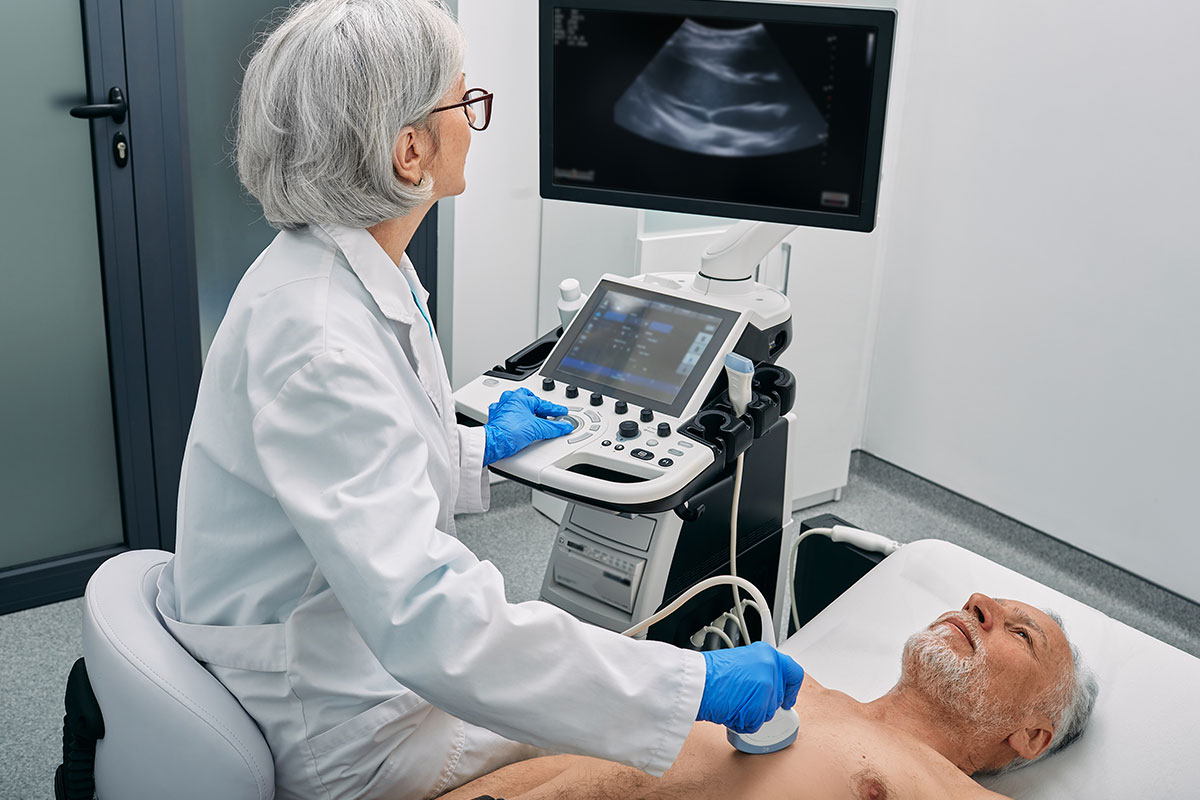
The Evolution of RPVI Credentialing & Its Impact on Vascular Imaging
In 2007, the American Registry for Diagnostic Medical Sonography (ARDMS) introduced the Registered Physician in Vascular Interpretation (RPVI) credential. This change came after requests from physicians in vascular surgery and vascular medicine.
The goal was simple. Physicians interpreting complex vascular studies needed a clear way to demonstrate expertise. RPVI credentialing helped raise standards and support better patient care.
What Is RPVI and Why It Matters
RPVI credentialing confirms that a physician can independently interpret noninvasive vascular studies. It also shows that the physician understands how findings affect patient management.
In 2014, the American Board of Surgery reinforced this importance. All physicians seeking board certification in Vascular Surgery were required to obtain the RPVI credential.
As a result, formal training and hands-on vascular lab experience became essential. These requirements help improve diagnostic accuracy and patient outcomes.
RPVI Credentialing Pathways
ARDMS offers several pathways to RPVI credentialing. Each pathway ensures physicians meet consistent clinical and educational standards.
Registered Vascular Technologist (RVT) Credential Holders
Prerequisite A1
Physicians who previously earned the RVT credential already demonstrated vascular expertise. For many, this pathway is a natural step toward RPVI certification.
Accredited Vascular Laboratory Experience
Prerequisite A2
Physicians working in accredited vascular laboratories may qualify through documented clinical experience. This pathway recognizes hands-on interpretation in a formal diagnostic setting.
Formal Training Programs
Prerequisites B1 and C1
Physicians who completed approved vascular training programs meet defined educational requirements. These programs offer structured learning and supervised clinical exposure.
Alternative or Informal Training Pathways
Prerequisites B2 and C2
Physicians without formal vascular training must complete 500 clinical vascular studies. These studies must be performed as an interpreting physician in a clinical diagnostic setting.
ARDMS has clarified this requirement. All qualifying cases must involve real patient care. Courses or seminars alone do not meet the experience standard.
ARDMS states:
“All 500 required clinical studies must be completed through employment as an interpreting physician in a clinical diagnostic setting. This includes hospitals, clinics, and private practices. Interpretation completed through courses or seminars does not qualify.”
Leadership Intent Behind RPVI Credentialing
ARDMS leadership remains focused on maintaining high standards. The goal is to ensure physicians gain meaningful experience where patient decisions are made.
This approach helps physicians accurately interpret both normal and abnormal vascular findings. In turn, it supports safer and more effective patient care.
Addressing Historical Practices and Ongoing Challenges
In the past, some physicians relied heavily on technologist impressions. Direct review of images and waveforms was limited.
RPVI credentialing aims to change that. Physicians are expected to independently recognize pathology and confirm findings.
However, challenges remain. Physicians outside traditional vascular training programs often struggle to meet experience requirements. This includes some cardiovascular fellows and long-practicing clinicians.
As vascular diagnostics evolve, access to appropriate training remains critical.
How NAVIX Supports RPVI Credentialing
NAVIX supports physicians pursuing RPVI credentialing through its Preceptorship in Vascular Interpretation, which provides real-world clinical cases aligned with ARDMS experience requirements.
This program provides complete patient cases. Each case includes clinical history, diagnostic images, and interpretations. Physicians gain exposure to a wide range of vascular studies in real clinical scenarios.
Physicians interested in expanding their clinical training can also explore NAVIX’s broader education programs, which support ongoing learning across diagnostic imaging specialties.
Balancing Standards With Practical Experience
ARDMS aims to maintain high standards while supporting diverse clinical backgrounds. Achieving this balance is essential.
Structured preceptorships and supervised clinical programs may help close experience gaps. These pathways allow physicians to build skills without compromising credentialing integrity.
Conclusion
RPVI credentialing plays a key role in advancing vascular imaging quality. It also supports better patient care.
As diagnostic demands increase, experiential learning pathways must continue to evolve. Aligning education with clinical practice ensures physicians are prepared to interpret vascular studies with confidence.