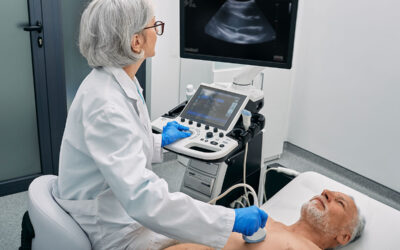
Vascular Diagnostics: Improving Lab Accuracy and Operational Efficiency
In today’s healthcare environment, accurate vascular diagnostics and efficient vascular lab integration are essential for delivering high‑quality patient care. Standardizing vascular diagnostics and improving lab accuracy are critical components in achieving this goal. Many healthcare systems struggle to identify inefficiencies within their service lines—especially after mergers or facility expansions. Without a clear plan, integration efforts can stall due to internal disagreements, misaligned goals, or outdated testing practices.
When this happens, bringing in a vascular services consultant can be a strategic advantage.
Why Consult an Expert in Vascular Services Integration
An experienced consultant specializing in vascular diagnostics and lab performance brings a neutral perspective that internal teams may lack. These experts:
-
Evaluate current service performance
-
Identify operational gaps in testing and reporting
-
Benchmark best practices across facilities
-
Help create cost‑effective, scalable workflows
While some hospital systems focus only on the upfront cost of consulting, the long‑term impact of ineffective integration—such as lost revenue, redundant processes, and inconsistent diagnostic quality—can far surpass those initial expenses.
Key Benefit: A consultant helps standardize service delivery across your vascular labs, which improves accuracy, efficiency, and patient outcomes.
Essential Questions for Vascular Lab Evaluation
A qualified consultant will work with stakeholders to understand your organization’s goals and challenges. They typically explore fundamental questions around vascular testing operations such as:
-
What types of vascular testing are performed across facilities?
-
Are technologists equally skilled across all testing modalities?
-
Are testing protocols standardized and diagnostic criteria consistent?
-
Is equipment capable of delivering reliable, standardized test results?
-
Do labs have all necessary equipment for the tests they offer?
-
Is reporting consistent throughout the system?
-
Are reporting methods aligned with accurate billing practices?
-
Are all vascular labs IAC accredited?
-
Who is responsible for clinical and operational management?
-
How are exams scheduled, and do schedulers understand test availability?
-
Do physicians understand what tests are available and how to use results?
-
Does the system effectively identify and manage patients with vascular disease?
Answering these questions allows consultants to develop a customized integration plan that:
-
Consolidates redundant resources
-
Standardizes processes and protocols
-
Drives improved care quality and lab performance
Standardization: The Key to Future‑Ready Vascular Services
Healthcare systems face growing pressure from value‑based care models, including:
-
Accountable Care Organizations (ACOs)
-
Policy mandates tied to the Affordable Care Act
-
Competitive market demands
To remain competitive and deliver efficient, patient‑centered vascular care, systems must improve resource allocation and diagnostic accuracy.
Standardization not only enhances clinical outcomes but also helps reduce operational costs across multiple facilities.
Top Strategic Priorities for Hospital Systems
According to a recent Becker’s Hospital Review survey, hospitals are increasingly investing in physician practices and diagnostic services for these core reasons:
-
Enhance Service Delivery Efficiency
-
Reduce Operational Costs
-
Improve Patient Care Quality
-
Expand Service Offerings
Bringing in specialized consulting expertise helps systems address these priorities directly—leading to more effective vascular diagnostics, optimized lab operations, and measurable improvements in both financial and clinical performance.
Final Thoughts
Improving vascular diagnostics accuracy and achieving cohesive lab integration isn’t just a staffing or equipment issue—it’s a strategic initiative that impacts patient care, revenue, and long‑term operational success.
With the right evaluation, standardization, and expert guidance, healthcare organizations can transform fragmented vascular services into a high‑performing, unified system that supports clinicians, patients, and administrators alike.
Learn more about NAVIX services: Vascular Diagnostic Services
Read our case study: Case Study: Transforming Vascular Care
Need help with training your vascular lab staff? Here’s a link to our training services: Vascular Ultrasound Technologist Training